
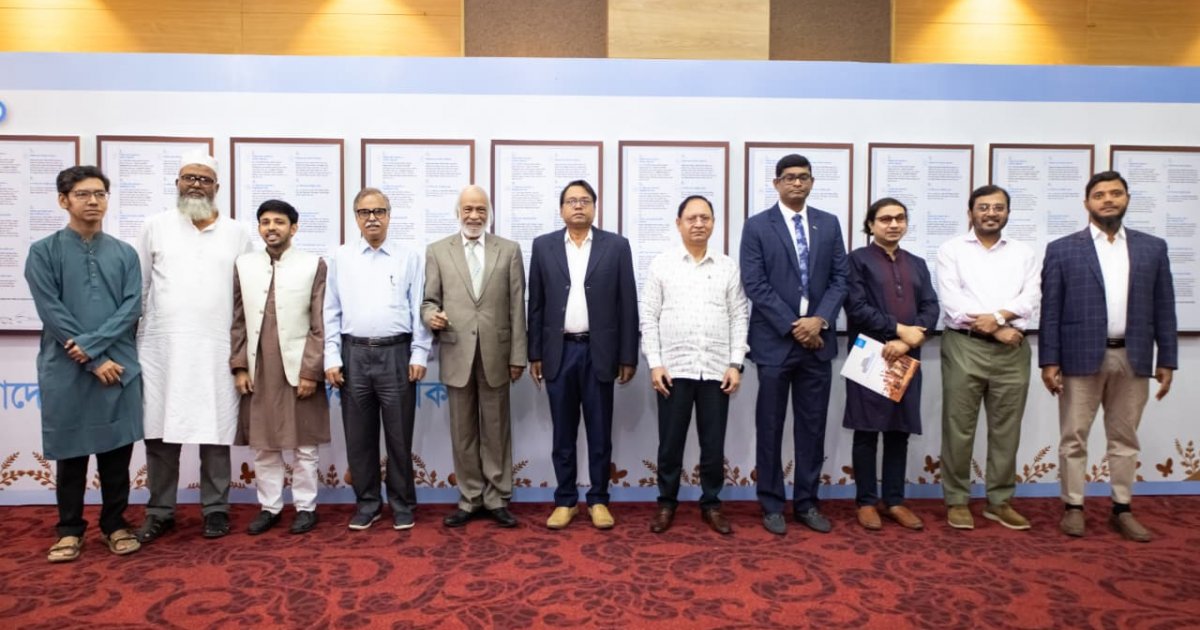
Political leaders from across Bangladesh gathered on Monday at a UNICEF-organized forum to reaffirm their commitment to protecting and promoting children’s rights, emphasizing the urgent need to end child labor, prevent early marriage, ensure quality education, and create safe, inclusive environments for every child.
The forum highlighted a cross-party consensus on UNICEF’s 10-point Child Rights Manifesto, reflecting a shared understanding that the nation’s future depends on safeguarding its youngest citizens. Leaders from major political parties, trade unions, and civil society organizations attended, each outlining their party’s approach to child welfare.
Dr. Abdul Moyeen Khan, BNP Standing Committee member, acknowledged resource constraints as a major barrier. “We have tried and intended to act, but limited resources remain a challenge. Achieving the 10 commitments requires additional support. Nevertheless, I pledge to continue working for the welfare of Bangladesh’s six million children,” he said.
Jamaat Islami’s representative Dr. Shofikul Islam Masud stressed the protection of children, particularly girls, from abuse, child labor, and early marriage. Highlighting the party’s ongoing work in urban slums, he said, “We already run over 50 education centers providing free meals, education, and basic care for around 500 children. If we come to power, we will expand these initiatives to protect street children and address child labor on a larger scale.”
AB Party’s representative Mojibur Rahman Monju underlined that political commitments must translate into action. “Safeguarding children’s rights and ensuring their development in safe environments requires more than promises — it demands active policy implementation,” he noted.
G.S. Bazlur Rashid Feroz of the Socialist Party of Bangladesh echoed similar concerns, urging political parties to address systemic neglect affecting children in education, health, and social protection. “Our commitment must ensure safe schools, inclusive education, and social support for every child,” he said.
Nagorik Oikya representative S.M. Kabir Hasan called for accountability alongside pledges. “Children must have safe environments, access to inclusive education, and protection from exploitation. Without proper monitoring, pledges are meaningless,” he said.
Shakil Uzzaman of Gono Odhikar Parishad emphasized political culture change: “We must ensure children grow up with dignity, education, and protection. Promises must be fulfilled, not forgotten.”
Moniruddin Pappu of Gono Shonghoti highlighted historical responsibility, referencing the 133 children lost in past political conflicts. “Building schools for disadvantaged children is only the beginning. Political will and structured planning are essential to foster human development,” he said.
Kazi Minhajul Alam of Khilafat Majlis called for practical, strategic action: “Children should never be confined by gender or background. By using our resources wisely, we can reduce problems and expand opportunities for the next generation.”
Jatiya Party’s Shamim Haider Patwary stressed that laws alone cannot prevent child marriage or labor. “We need targeted incentives, increased budgets, and centralized tracking systems to ensure children’s education and protection,” he said.
Naimul Hasan Jewel, Member Secretary of the National Coordination Committee for Workers’ Education, pointed out the link between poverty and child labor. “Unless families are empowered, children cannot attend school. Collaboration between political parties and the government is crucial to ensure social protection, education, and safety,” he said.
Communist Party General Secretary Abdullah Al Kafee Ratan emphasized inclusivity: “No child should suffer due to poverty, religion, or social background. The 10-point Child Rights Manifesto ensures a Bangladesh built on equality and human dignity.”
Tasnim Jara of the National Citizen Party shared her experiences treating malnourished children, urging nonpartisan implementation of the manifesto with concrete actions and climate-resilient infrastructure.
Dibbia, Deputy Managing Director of BGMEA, stressed the garment sector’s role in eradicating child labor while highlighting gaps in other industries. “Education begins at home, and social awareness is key. Children’s rights are non-negotiable,” she said.
Md. Mizanur Rahman of Gonoforum echoed the need for political accountability: “Safe, supportive, and rights-oriented environments for children are essential. Manifestos must reflect this commitment in action.”
The 10-point Child Rights Manifesto includes:
End Child Marriage: Strictly enforce existing laws and implement policies to prevent early marriage.
End Child Labor: Ensure children are in school, not in workplaces, with social protection for families to reduce poverty-driven labor.
Ensure Safe Schools: Guarantee safe learning environments free from harassment, abuse, and neglect.
Access to Quality Education: Promote inclusive, equitable, and child-centered education for all.
Health and Nutrition: Expand child-focused healthcare, nutrition, and protection services.
WASH (Water, Sanitation, Hygiene) and Protection: Ensure access to clean water, sanitation, hygiene, and protective services for children.
End Invisible Children (Birth Registration): Improve free birth registration to ensure every child has a legal identity and access to services. Only 59% of children under five are currently registered, and just 47% hold a birth certificate.
Child-Centered Social Services: Expand access to integrated services in health, nutrition, WASH, and child protection.
Child-Focused Budget: Prioritize social sector allocations, targeting at least 5% of GDP for education and healthcare, reflecting global recommendations and maximizing social and economic returns.
Monitoring and Legal Review: Conduct a review of the Children’s Act and related policies to identify gaps or contradictions, ensuring alignment with the UN Convention on the Rights of the Child (UNCRC) during the first year of the new government.
The forum concluded with strong consensus: child welfare, protection, and education must be central to policy-making, political manifestos, and budget allocation. UNICEF officials praised the event for uniting multiple stakeholders to ensure Bangladesh’s next generation grows up healthy, safe, and empowered.