
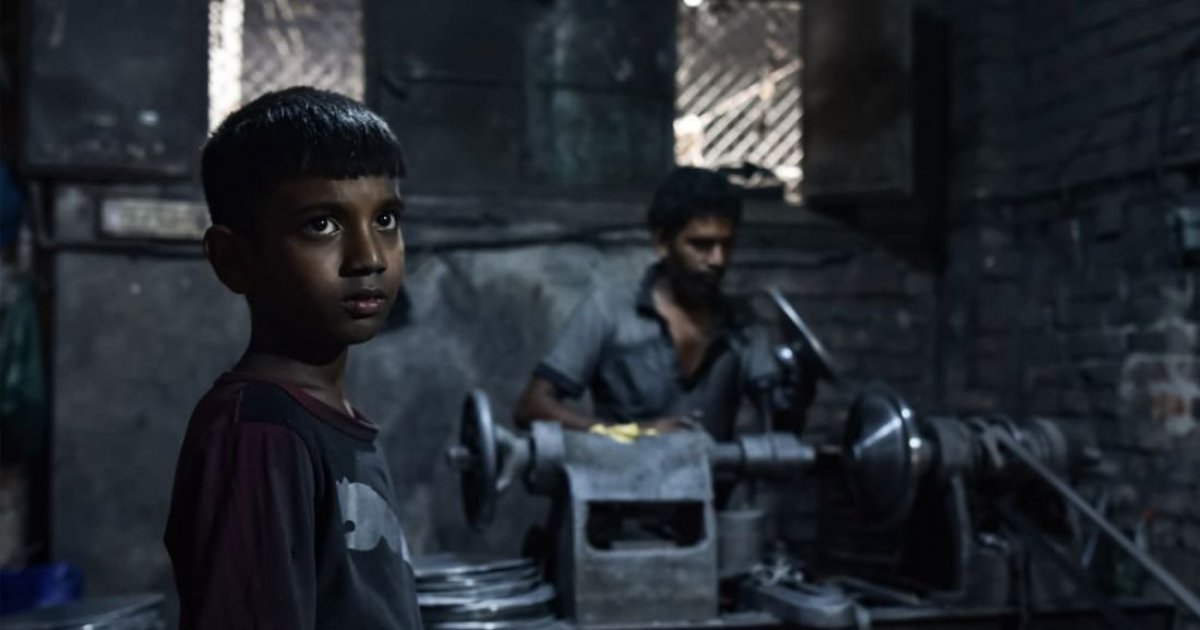
Despite repeated appeals for action to eradicate the practice, child labour remains one of the most troubling and heartbreaking realities in Bangladesh — one that is robbing millions of the education, security, and normal childhoods that every child deserves.
Recent reports reveal that 3.5 million children aged between five and seven years are currently employed in the country, often compelled to work in conditions that threaten both their health and their futures.
While economic hardship is often cited as the primary cause of this grievous phenomenon, the persistence of child labour cannot be explained by poverty alone: A weak imposition of labour laws, gaps in the education system, and an overall unhealthy reliance on the informal sector enable this exploitation.
It is not just the fact that these children are being forced into a life of labour that is infuriating, however — the hazardous environments and toxic materials involved have a lasting detrimental impact on their physical and mental health, often leading to chronic illnesses that deny them the chance to change the course of their lives later on, as well.
This is a national failure of monumental proportions.
It is the nation’s duty to ensure its children and their futures are protected, and for this responsibility to be fulfilled, the authorities must act immediately.
Child labour laws must be enforced without exception, and financially-distressed families must be supported through social protection programs so that children are not pushed into work out of desperation. Education must also be made more inclusive and accessible, with focused efforts to prevent the culture of dropping out.
If Bangladesh is truly committed to a better future, it must ensure that every child is given the chance to learn, to grow, and to live free from a life of exploitation.