
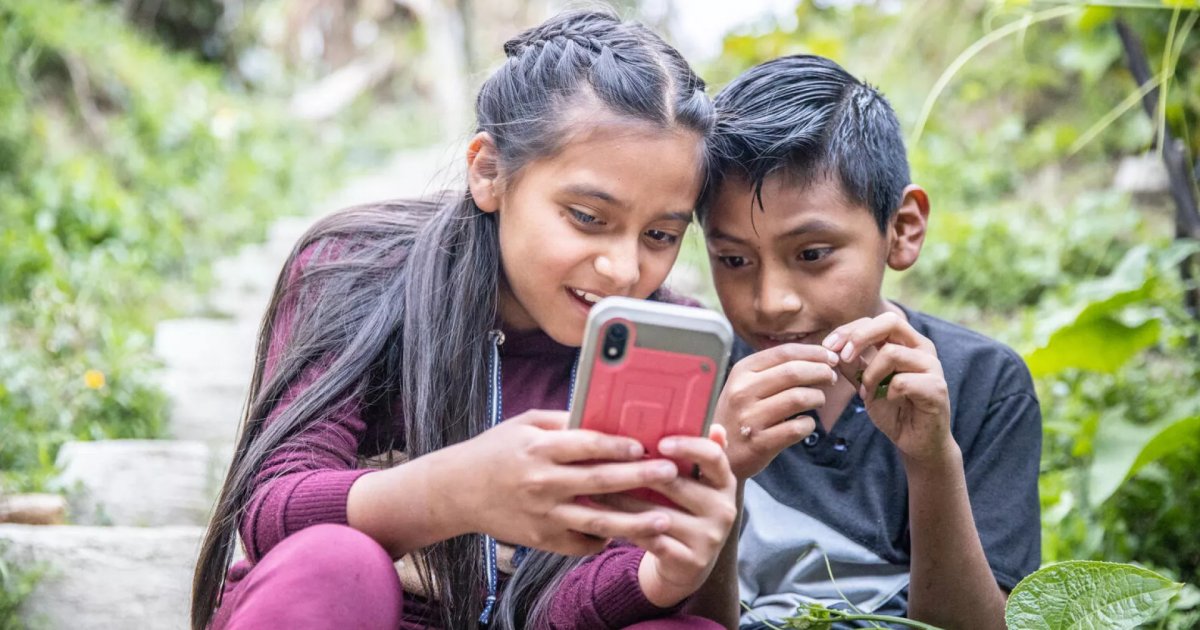
A new study has found that 23% of children in Bangladesh face serious risks on online platforms, with Facebook emerging as the most unsafe space, especially for children with disabilities.
The findings come from a research project titled “Prevention of Online Sexual Exploitation of Children with Disabilities and Children in Bangladesh.”
According to the study, 8% of children face partial risk online, while 69% are considered partially safe.
However, exposure varies sharply by platform: 77% of children face high risk when using Facebook, followed by 15% on Instagram, with other platforms also posing notable safety challenges.
The research was presented on Monday at a national workshop in Dhaka by Professor Dr Md Ahsan Habib of Dhaka University.
The event, held at a city hotel, was organized by the international organization Terre des Hommes Netherlands (TDH-NL) and chaired by its program coordinator, Nurul Kabir.
Online risks rising
Presenting the findings, Dr Ahsan Habib said digital platforms have expanded opportunities nationwide – from cities to rural areas – but have also intensified risks, including online sexual harassment and exploitation, with children being the most vulnerable.
“To address these risks, we must invest in inclusive education, teacher training, and accessible justice systems,” he said.
“No single initiative can solve this problem. Protection of children with disabilities must be embedded in child protection and online safety laws and policies.”
He stressed the need for coordinated action among digital literacy programs, disability services, and child protection workers.
Development agencies, he added, must amplify children’s voices, challenge stigma, and push for systemic change.
Community involvement
Department of Social Services Director General Saidur Rahman Khan acknowledged that children across Bangladesh continue to face physical, mental, and online abuse.
“Many are falling into the visible and invisible traps of the internet. These must stop for the healthy development of our children,” he said.
He emphasized community inclusion and joint government–private sector action, noting that a National Platform for Child Protection has already been formed with state and non-government entities.
TDH-NL Program Coordinator Nurul Kabir said children with disabilities remain among the most marginalized groups worldwide.
While around 16% of the global population lives with disabilities, Bangladesh’s official estimate is only 2.8%, pointing to entrenched underreporting, stigma, and invisibility.
“These culturally rooted attitudes limit their access to education, mobility, and participation in social life,” he said.
“For children, the barriers are even more severe.”