
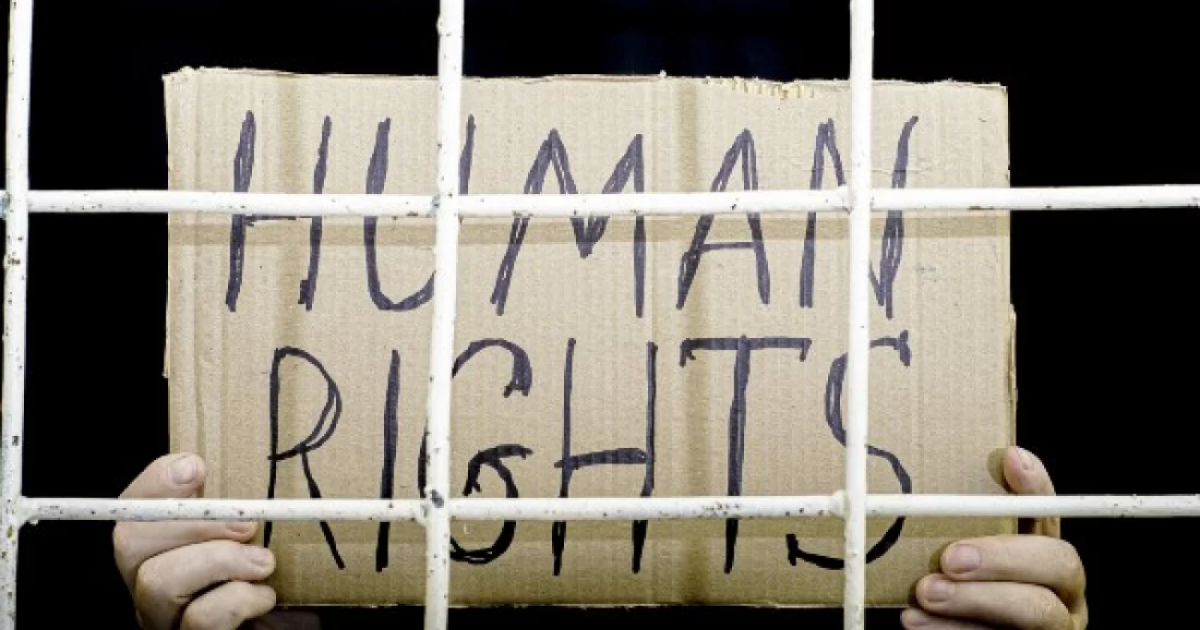
International Human Rights Day is being observed worldwide on Wednesday under the theme “Let human rights be the foundation of our daily lives.”
Bangladesh is marking the occasion with human chains, discussions and awareness programs organized by the National Human Rights Commission (NHRC) and various rights groups.
The chief adviser has also issued a message to commemorate the day.
The United Nations General Assembly adopted the Universal Declaration of Human Rights (UDHR) on December 10, 1948, establishing a global commitment to equality and universal rights irrespective of birthplace, race, religion, colour, belief, financial status or education.
Each year, the day is observed worldwide to reaffirm the fundamental rights and state responsibilities outlined in that landmark declaration.
Mob rule, false cases emerge
Human rights activist and member of the Commission on Disappearances Nur Khan Liton told Dhaka Tribune that while enforced disappearances and crossfire incidents, common under the previous government, have ceased since August 5, 2024, violations have not ended.
“Mob violence and false cases are now harassing ordinary citizens. Killings are occurring due to internal conflicts linked to political influence. This is deeply worrying,” he said.
He criticized the absence of effective preventive measures, noting that meaningful action could substantially reduce violations.
“Fair trials are essential. If accountability is ensured, it will send a strong message and improve the human rights situation,” he added.
Human rights and development activist Khushi Kabir echoed those concerns.
“We raised our voices about violations before August 5, and the same situation continues. A regime change occurred in 2024, but the system did not change,” she said.
“There is no accountability, no democratic process, no transparency. Only the ruler has changed. Human rights cannot be ensured unless democracy, transparency and accountability take root.”
Faith urged as basis for human rights
In his message marking Human Rights Day, Chief Adviser Professor Muhammad Yunus urged citizens to internalize human rights as a matter of faith, enabling every individual to live a dignified life free from discrimination.
“We are working closely with international partners and the United Nations to further strengthen our national human rights framework,” he said, reaffirming Bangladesh’s commitment to upholding global human rights standards.
He noted that this year’s observance comes a year and a half after the historic July Uprising, when citizens, led largely by youth, rose against oppression and “ended a fascist regime,” paving the way for a “new Bangladesh.”
Professor Yunus highlighted that Bangladesh has now joined all nine core UN human rights treaties, including the International Convention for the Protection of All Persons from Enforced Disappearance, and has signed the Optional Protocol to the Convention against Torture as well as all core ILO conventions.
“As a member of the UN Human Rights Council, Bangladesh is playing an active role in global efforts to protect human rights,” he added, noting the country’s engagement on issues such as conflict, humanitarian crises, climate change and forced displacement.
Marking Human Rights Day, Ain o Salish Kendra (ASK) issued a 15-point demand calling for prompt, impartial investigations into all human rights violations committed by state forces and legal action against those responsible.
The organization stressed the need for ensuring speedy trials and accountability to prevent recurring abuses.