
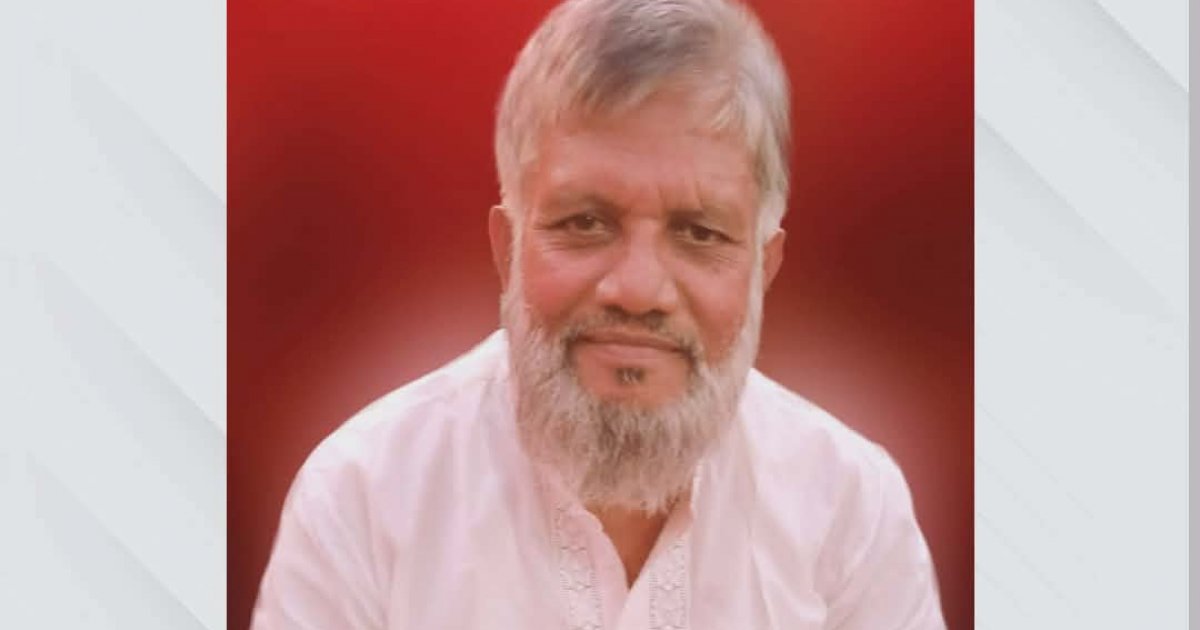
“If there is one reason I became a freedom fighter, it is my mother.”
Fifty-four years after the Liberation War, these words still carry the weight of sacrifice.
The speaker was just 18 years old in 1971.
His mother is no longer alive, but in his memory, she remains the quiet force behind his journey to war.
He believes that while the bravery of young fighters is often remembered, the contribution of mothers must finally be brought to the forefront of history.
On the morning of March 27, 1971, news spread that a public meeting was being held in the neighbouring village of Kodalia, Manikganj.
It was his mother who urged him and his elder brother to go.
“If my mother had stopped me, I could not have gone,” he recalled. “Instead, she sent us to fight.”
When the brothers asked how she would manage alone, their mother replied firmly: “I will make arrangements. You must not lag behind. You must go to war. We will liberate the country.”
During the nine months of war, he met his mother only twice.
Each time, her words were the same: “Son, we must liberate the country.”
Even as their house was burned and she took shelter elsewhere, she ensured that messages reached him so her children would not worry about his safety.
After the war, she told him she had survived by eating boiled jute leaves.
Her suffering was not unique.
Countless mothers and sisters endured similar horrors.
“We always talk about the bravery of boys,” he said: “but our mothers and sisters were the real warriors.”
Women lived in constant fear of the Pakistani army, Razakars and Al-Badr.
Many were tortured, raped or killed.
Families hid the humiliation of violated daughters in silence.
Women were burned alive inside homes, forced to flee repeatedly, deprived of food and clothing.
Elderly women slept clutching axes, machetes or sticks to protect themselves.
This, too, was resistance.
During the war, he witnessed bodies floating in rivers – most of them women.
Many were unclothed, their faces unrecognizable.
Yet those same women fed freedom fighters and passed on vital information.
On March 27, he attended the meeting at Battala in Kodalia.
Bamboo sticks were taken up as dummy rifles.
Army, police, EPR and Ansar members pledged to train students and youth.
Earlier, on March 7, he had listened to Bangabandhu’s historic speech at the Racecourse Ground and later received instructions from student leaders at Dhaka University, where bamboo-stick training began.
After the formation of the Mujibnagar government and the division of the country into sectors, he fought under Sector No 2, later under Captain Abdul Halim Chowdhury.
Food was scarce; often they fought hungry.
Many comrades were killed before his eyes.
He survived and returned to his mother, something countless others could not.
On December 13, Harirampur police station was liberated.
Eighty-two Pakistani soldiers were killed in the Lechharaganj battle, where freedom fighter Mahfuzur Bir Pratik was martyred.
After the war, he returned to a village reduced to ashes.
Losing everything yet gaining freedom, he says, was the greatest victory.
He later worked with Bangabandhu’s government, served in the Bangladesh Football Federation, and spent years in media and writing.
Today, he worries that younger generations are forgetting.
“Many mothers and sisters never spoke of their suffering out of shame. Some took their own lives. We are an ungrateful nation if we do not record their voices.”
His final message is clear: the Liberation War was not only fought by men with guns, but by mothers who sent their sons to war – and bore the cost in silence.