

Bangladesh, one of the world’s most climate-vulnerable countries, is emerging as a focal point for global discussions on climate adaptation and sustainable financing.
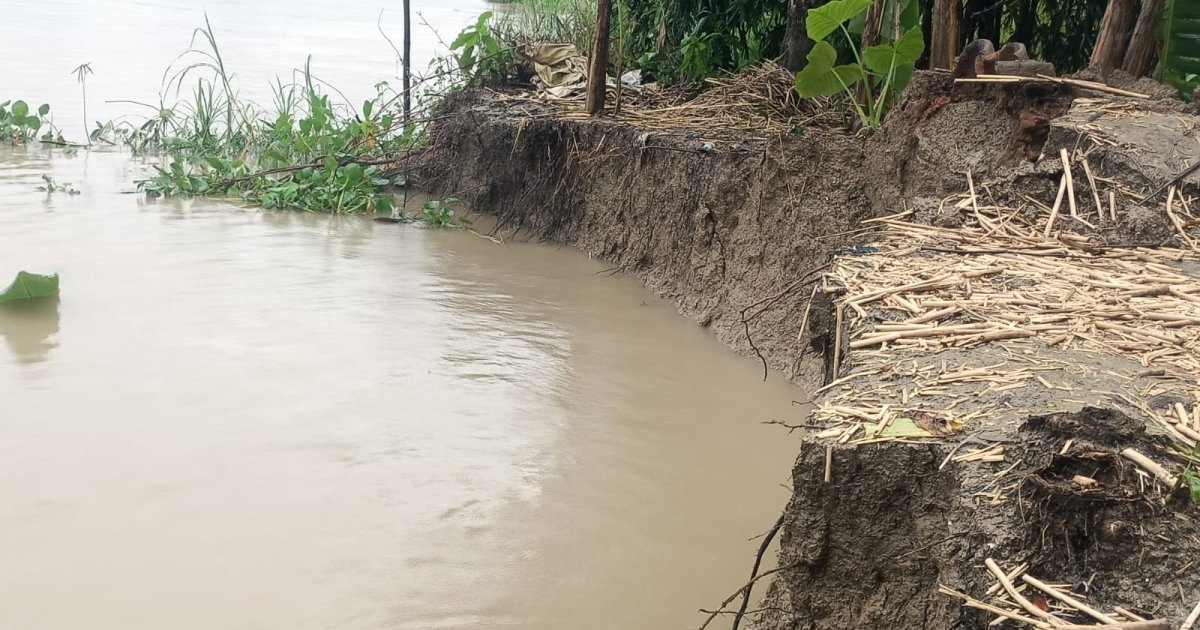
With rising sea levels, frequent cyclones, riverbank erosion, and unpredictable rainfall threatening millions of livelihoods, experts emphasize that the country can no longer rely solely on traditional humanitarian aid.
The cost of climate change in Bangladesh
According to the World Bank, Bangladesh loses an estimated 1.5%–2% of its GDP annually due to climate-related disasters. The Intergovernmental Panel on Climate Change (IPCC) has repeatedly identified South Asia, particularly Bangladesh, as a climate hotspot, with coastal and low-lying regions facing some of the most severe impacts.
“Adaptation is no longer a supplementary effort—it is essential for national survival,” experts note, highlighting the urgent need for strategic climate action.
Rethinking financing models
Recent discussions by CARE Bangladesh highlighted the limitations of conventional grant-based humanitarian assistance.
“Traditional aid is often reactive, fragmented, and unsustainable,” said Kaiser Rejve, director of CARE’s Humanitarian & Resilient Futures Program. “Communities need solutions that can generate revenue, sustain livelihoods, and scale locally-owned adaptation practices.”
Oxfam Bangladesh echoed this sentiment. In a policy brief, the organization pointed out that while emergency aid remains critical, long-term resilience depends on market-driven approaches linking environmental sustainability with income-generating activities.
“Impact investment can play a transformative role if it is designed around community needs and guided by local knowledge,” the brief stated.
Climate finance as a legal right
Climate finance is increasingly seen as a legal right. Advocates argue that vulnerable countries like Bangladesh must secure their fair share of global funds to address adaptation and loss and damage caused by climate change.
“Access to climate finance for adaptation and to address loss and damage resulting from climate change impacts is a legal right for vulnerable developing countries like Bangladesh,” said Adv M Hafijul Islam Khan, founder and director of the Centre for Climate Justice-Bangladesh (CCJ-B).
“So we need to develop our technical capacities to access finance from multilateral and bilateral funding entities,” he added.
His remarks reflect a growing movement in Bangladesh and across the Global South, demanding that major emitting nations pay their fair share for climate damage.
Private sector involvement: opportunities and limits
Md Shamsuddoha, chief executive of the Centre for Participatory Research and Development (CPRD), raised concerns about relying too heavily on private capital for climate adaptation.
“While in global negotiations we immediately demand grant-based public financing for adaptation actions, we are mobilizing significant investments from private sources, even though these are not officially classified as adaptation finance,” he said.
He cautioned that adaptation cannot be viewed solely through a profit-driven lens: “Private finance is profit-driven, and many adaptation activities may not generate profits, particularly those related to human welfare and well-being. We can mobilize private finance for techno-physical solutions such as strengthening embankments to protect coastal communities. But extended and residual impacts—like displacement, migration, or health crises—should not be addressed through private or loan-based financing.”
Shamsuddoha stressed the need for a strategic financing framework: “We must categorize our adaptation needs and decide our financing options and instruments. We also need to establish a credible public–private financing model to attract private investment.”
Md Mizanur Rahman, CEO of METAL, highlighted the role of climate-resilient mechanization in food security: “Climate-resilient agricultural mechanization is now central to food security, particularly to sustain our production systems. Our harvesting technology can play a major role in both climate education and resilience.”
Rahman praised government subsidies for combine harvesters, calling them “a commendable step,” and urged further policy support to scale private sector innovation.
Community-centered solutions
Experts and NGOs emphasize that impact investment succeeds only when communities are at the center. ActionAid Bangladesh has documented grassroots initiatives—from climate-resilient housing to mangrove restoration—that deliver tangible benefits for vulnerable populations. Projects integrating local knowledge and community ownership generate higher social returns, creating fertile ground for investment.
A representative from BRAC, one of the country’s largest NGOs, said: “Impact investment is meaningful only if communities are at the center of the process. They are the ones experiencing the consequences of climate change first-hand. Solutions must be tailored to their realities.”
Policy, regulation, and international support
Despite promising initiatives, policy and regulatory hurdles remain. The Bangladesh Bank has launched guidelines for green finance and climate bonds, signaling intent to support sustainable investment. Yet INGOs argue that more needs to be done to create an enabling environment that allows private capital to flow into adaptation projects without excessive bureaucracy.
International donors and impact investors are increasingly seeing Bangladesh as a climate investment destination. According to a recent IFC report, impact investment in Bangladesh’s adaptation sector could mobilize up to $500 million over the next five years if public-private partnerships are scaled effectively.
Danish Ambassador to Bangladesh Christian Brix Møller observed: “Bangladesh has shown the world how resilience, combined with innovation, can transform challenges into pathways of hope.”
The road ahead
As climate impacts intensify, experts stress that time is of the essence. Bangladesh stands at a pivotal moment, poised between the promise of impact investment and the realities of climate injustice, between market-driven solutions and the rights of vulnerable communities.
With rising local innovation, increased international attention, and a growing body of climate finance expertise, the country has the potential to redefine adaptation—not just as survival, but as sustainable development grounded in fairness, rights, and resilience.