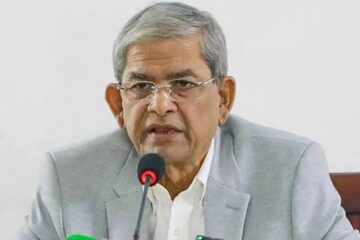

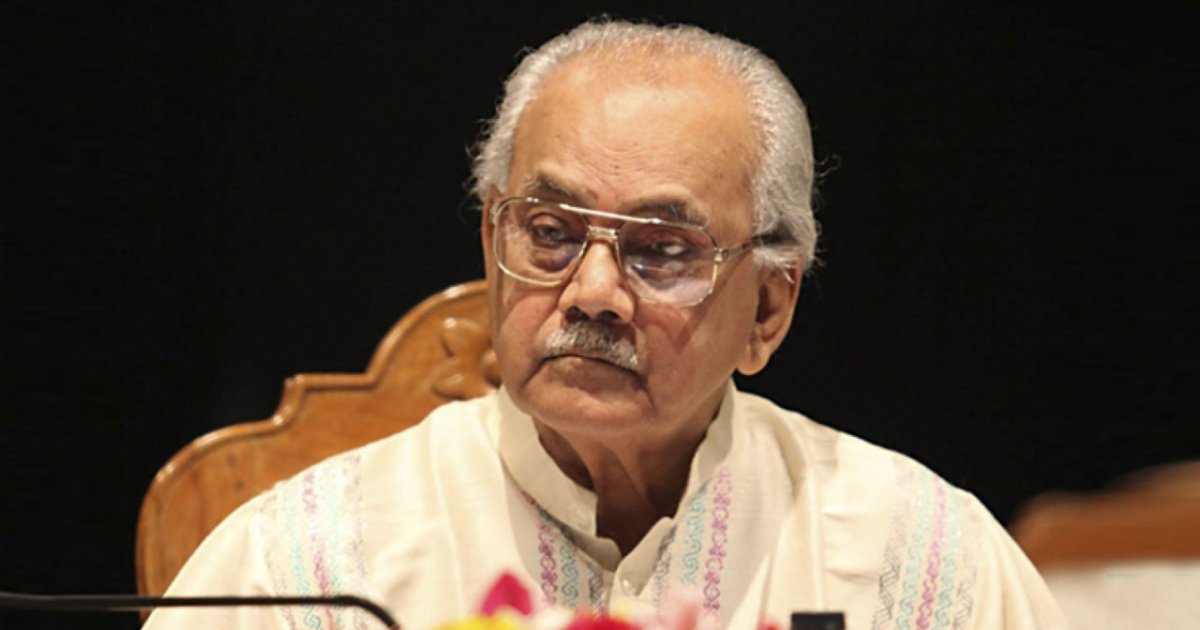
Behind his soft spoken nature, AVM Khandker — whom we lost on December 20 — was a leader of great determination, an officer of high calibre, and a hero of Bangladesh’s war of independence.
Early life and military career
Air Vice Marshal AK Khandker was born in his maternal grandfather’s Home in Munshipara, Rangpur in 1930 Pabna. Son of an officer of Indian Administrative Service, he was a well-mannered gentleman with a zeal to serve the nation in a dedicated manner. Born in a distinguished family, he joined the Pakistan Airforce in 1952 and graduated as a fighter pilot.
He was a trail-blazer in many ways as he was one of the few handful of men in uniform in the military establishment of Pakistan.
He fought in the Indo-Pak War in September 1965. When I joined Pakistan Airforce in January 1965, I found him as a Wing Commander serving as the Officer Commanding Cadets Wing and a flying instructor in the USA built T-37 jet trainer.
In September of 1965, when the war broke out, he flew F-86 fighter planes. I, then a flight cadet, was deployed to assist the fighter pilots in preparation for their flight at the flight dispersal doing their jobs as assigned.
AK Khandker was trained in the Pakistan Air Force and rose through the ranks with a reputation for professionalism, discipline, and strategic thinking. Like many Bengali officers of the time, he faced systemic discrimination within the Pakistani military establishment, an experience that deeply influenced his political and moral awakening.
Although he was a fighter pilot, he was posted on promotion to the rank of group captain as the officer commanding administration of Dhaka Air Base.
When the crisis of 1971 unfolded and Pakistan launched its brutal military crackdown in East Pakistan, Khandker made a decisive and historic decision: He defected from Pakistan with two other officers — Flt Lt Reza and Sqn Ldr Badrul Alam — and aligned himself with the cause of Bangladesh’s independence.
This act alone required immense courage, as it meant risking his career, life, and family for the liberation of his people.
Role in the Liberation War of 1971
During the Liberation War, AK Khandker served as Deputy Chief of Staff of the Mukti Bahini, working closely with General MAG Osmani, the Commander-in-Chief of the Bangladesh Forces. In this capacity, Khandker was instrumental in:
- Strategic planning of guerrilla and conventional operations
- Coordination between sector commanders
- Liaison with Indian military leadership
- Organizing and integrating air operations for the liberation effort
Under his strategic guidance, the Mukti Bahini evolved into an effective fighting force that ultimately defeated the Pakistani military, leading to the emergence of Bangladesh as an independent nation on December 16, 1971. He represented Bangladesh Forces at the signing ceremony of the instrument of surrender between India and Pakistan at the then race course, an event immortalized by the photo of the surrender ceremony. Coincidentally, he passed away four days after the 54 years’ celebration of that historic day.
For his outstanding contribution to the Liberation War, AK Khandker was awarded the gallantry title Bir Uttom, the second-highest wartime honour of Bangladesh.
Post-independence contributions
After independence, AK Khandker continued to serve the nation with dedication and distinction. He played a pivotal role in the establishment and development of the Bangladesh Air Force, helping to build it into a professional, modern military service despite severe resource constraints in the early years of nationhood.
He arranged to salvage the abandoned F-86 fighter aircraft which were brutally damaged by the Pakistani airmen prior to their surrender. He also procured MiG-21 supersonic fighter aircrafts from the then USSR .
In later years, he also served in diplomatic and ministerial roles, contributing to international diplomacy, national planning on economy and infrastructure development.
Legacy
AK Khandker was not only a soldier but also a chronicler of history. His writings and interviews on the Liberation War remain invaluable sources for understanding the military, political, and diplomatic dimensions of 1971.
Air Vice Marshal AK Khandker belongs to the rare category of leaders who combined courage in war, integrity in service, and wisdom in reflection. His life exemplifies the values upon which Bangladesh was founded: Sacrifice, dignity, and an unyielding commitment to service.
The war hero passed away at the age of 95 and was buried in lackadaisical care at the airforce graveyard while his due place of burial should have been at Freedom Fighters graveyard.
His funeral service was outshone by the exaggerated fanfare of the ceremonial funeral service of a youth leader of the July uprising who was assassinated by gunmen for reasons still under investigation.
A July warrior’s funeral ceremony was made to appear far more national than that of the deputy commander of the War of Independence of Bangladesh. How woefully tragic.
Waliul Haque Khondker is a retired officer of the Pakistan and then Bangladesh Airforce and Bangladesh Biman.