
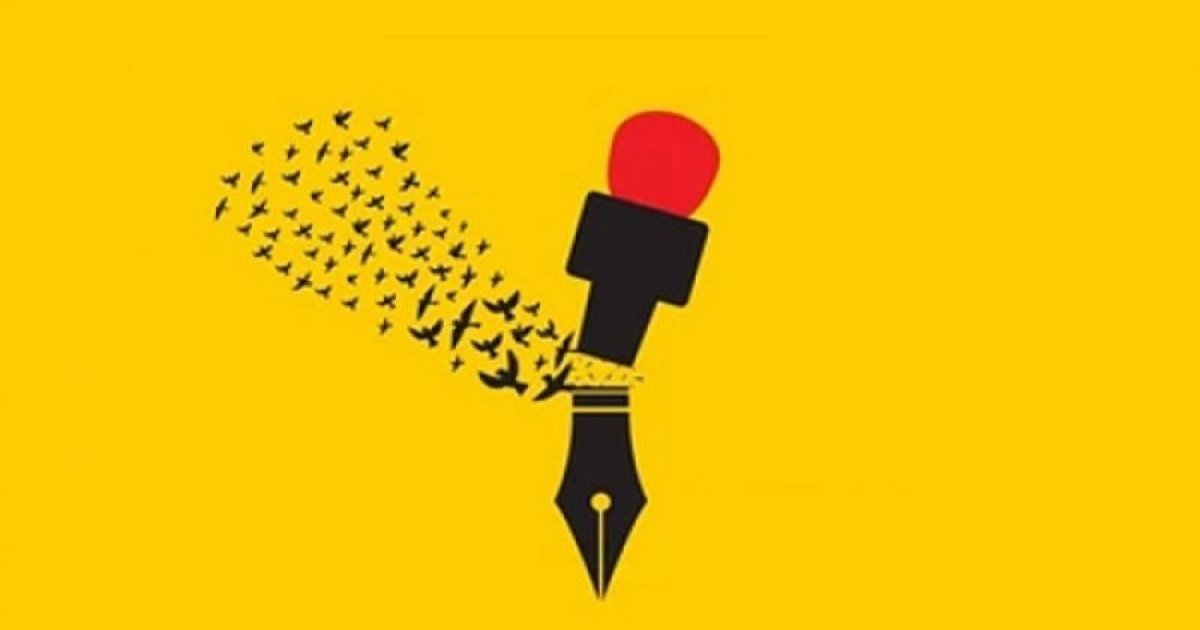
A total of 381 journalists were subjected to abuse and harassment across Bangladesh in 2025, while three journalists were killed and the bodies of four others were recovered under mysterious circumstances, according to the annual report of human rights organization Ain o Salish Kendra (ASK).
The findings were revealed on Wednesday with the publication of ASK’s annual report, which said incidents of violence, intimidation and legal persecution against journalists reached an alarming level during the year.
Although freedom of expression and the right to information are fundamental pillars of a democratic system, the report said the experiences of journalists in 2025 pointed to a starkly different reality. While carrying out their professional duties, journalists became targets of repression by both state and non-state actors, undermining their personal safety, press freedom and the broader democratic space.
According to data documented by ASK, between January and December 2025 at least 381 journalists faced abuse and harassment nationwide. Of them, at least 23 journalists were abused, harassed or threatened by law enforcement agencies. Twenty journalists received death threats, while at least 123 faced legal cases over published reports or opinions. A total of 118 journalists were directly attacked while performing their professional duties.
During the same period, three journalists were killed by miscreants, and the bodies of four journalists were recovered under mysterious circumstances from different locations across the country.
ASK statistics show that the highest number of journalists who faced abuse and harassment was recorded in Dhaka district (92), followed by Chattogram (53), Rangpur (21), Cumilla (21), Gazipur (20) and Barishal (12). The remaining 162 journalists were working in other districts.
The report highlighted the arrest of journalist Anis Alamgir as a notable example of legal persecution in 2025. He was detained overnight at the Dhaka Detective Branch (DB) office and later shown arrested in a case filed under the Anti-Terrorism Act. After being produced before a court, Anis Alamgir was placed on a five-day remand.
According to the case, he was accused of conducting “propaganda to bring back the Awami League” through social media and television talk shows. The report noted that Anis Alamgir had recently been openly critical of various activities of the interim government. Following his arrest, questions were raised within the journalistic community and civil society as to whether the incident sent a message that criticism of the government would be treated as a criminal offense. ASK expressed concern over the arrest, describing it as a dangerous precedent for suppressing dissent.
The report also referred to another widely discussed incident on December 7, when former National Press Club president and senior journalist Shawkat Mahmud was taken into Detective Branch custody. According to DB police, he was detained from the Malibagh area of the capital and later shown arrested in a case filed under the Anti-Terrorism Act at Ramna Police Station in September.
The case was filed against US citizen of Bangladeshi origin Enayet Karim Chowdhury, accusing him of conspiring to overthrow the interim government. As Shawkat Mahmud is not only a journalist but also politically active, his arrest raised further questions about press freedom and the safety of political expression, the report said.
Citing media reports, ASK further stated that on April 28, 2025, during a press conference at the office of the cultural affairs adviser, journalists raised questions regarding the UNESCO recognition of the renamed Bengali New Year procession, the use of masks resembling the former prime minister, and the number of people killed during the July–August uprising.
The question-and-answer session reportedly turned into a heated debate. Subsequently, a Facebook page called for action against three television journalists over their questions. Another post from the same page warned that if action was not taken within 24 hours, there would be a “march to Deepto TV, Channel i and ATN Bangla.” Soon afterward, the three journalists lost their jobs.
Meanwhile, media reports indicate that at least 137 journalists have been named as accused in 32 criminal cases filed in Dhaka, Chattogram, Bogura and Rajshahi in connection with the July mass uprising. In some instances, journalists were charged under the Explosives Act.
This occurred despite reports in early October 2024 that an eight-member committee had been formed to review harassment cases filed against journalists and to inform the authorities accordingly. The report said that even after the formation of the committee, cases against journalists continued to be filed.
Taken together, the report concluded that violence and legal persecution against journalists in 2025 were not isolated incidents but part of a structural pattern. Harassment by state institutions and political forces poses a direct threat to democracy, transparency and accountable governance. Ensuring journalists’ safety, providing legal protection and fostering state tolerance of dissenting views have become urgent to guarantee the free flow of information and an environment conducive to journalism in the public interest.