
Dhaka on Sunday strongly rejected India’s explanation of demonstrations outside the Bangladesh High Commission in New Delhi, describing the incident as “extremely unfortunate” and insisting it cannot be dismissed as “misleading propaganda,” as tensions flared over protests, verbal threats and competing narratives surrounding minority safety and diplomatic security.
In a statement issued after India’s official response, the Ministry of Foreign Affairs said the incident that occurred on Saturday night outside the residence of the Bangladesh High Commission was unjustified and deplorable, noting that miscreants were allowed to carry out activities just outside the premises without prior intimation to the mission.
The situation created panic among staff members inside the complex, the ministry said, adding that the High Commission had not been informed in advance of any organized protest.
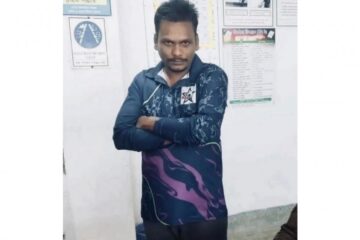
While acknowledging India’s assurance to ensure the safety and security of Bangladeshi diplomatic missions in accordance with the Vienna Convention, Dhaka rejected what it described as attempts by Indian authorities to portray an isolated attack on a Bangladeshi citizen from the Hindu community as a broader attack on minorities.
The ministry also said Bangladesh has already arrested suspects in connection with the killing of a young man who was burned to death, stressing that the country’s inter-communal situation compares favourably with other South Asian states and that protecting minorities is a shared regional responsibility.
Bangladesh’s position was further outlined by Foreign Affairs Adviser Md Touhid Hossain, who responded to questions at the Ministry of Foreign Affairs. Rejecting India’s press note, he said: “We completely reject the press note. Why can they come this far? They have said many things. We have heard that he (the high commissioner) has been threatened to kill, but we don’t have evidence.”
Touhid said Dhaka continues to rely on the host country to ensure security but warned that Bangladesh could reconsider the scale of its diplomatic presence in India if the situation warrants. “We are still relying on the host country, hoping that the host country will take necessary steps on the security front,” he said.
India’s Ministry of External Affairs, however, maintained that the situation was under control. Official spokesperson Randhir Jaiswal said there was no attempt to breach the fence or create a security situation at any time, and that police dispersed the group after a few minutes. “Visual evidence of these events is available for all to see,” he said, reiterating India’s commitment to safeguarding foreign missions.
Jaiswal said around 20–25 youths gathered outside the Bangladesh High Commission on Saturday, raising slogans to protest the killing of Dipu Chandra Das in Mymensingh and calling for the protection of minorities in Bangladesh.
He added that India had urged Bangladeshi authorities to bring the perpetrators of the “barbaric killing” to justice and claimed that sections of Bangladeshi media were spreading misleading propaganda over the incident.
Bangladesh officials, however, said the demonstrations left the high commissioner and his family feeling threatened. Press Minister at the High Commission Md Faisal Mahmud told reporters that between 8:30pm and 9:45pm, several individuals arrived in three cars and shouted slogans in Bengali and Hindi outside the Bangladesh Bhaban.
“They raised slogans demanding security for Hindus and calling for the arrest of the high commissioner,” Mahmud said, adding that while no physical attack occurred and nothing was thrown at the premises, some slogans included threatening language. “Some statements suggested retaliation if Hindus were harmed. These were verbal threats only,” he said.
Following the incident, High Commissioner Riaz Hamidullah held an emergency meeting with the mission’s defence wing. Officials later said the situation remained under control and no further incident was reported.
Security has also been tightened at Bangladeshi missions elsewhere in India. In Agartala, the capital of Tripura, additional forces were deployed around the Bangladesh Assistant High Commission following a protest on Friday by the Youth Tipra Federation, the youth wing of the Tipra Motha Party. The group demonstrated against what it termed “anti-India campaigns” and remarks allegedly made by a Bangladeshi political leader about India’s northeastern states.
West Tripura Superintendent of Police Namit Pathak said personnel from the Tripura State Rifles and the Central Reserve Police Force had been deployed to ensure security. YTF president Suraj Debbarma said the protest was intended to convey a political message, while Tipra Motha supremo Pradyot Kishore Manikya Debbarma said his party was the only political force in the Northeast to publicly protest outside the mission.
The Agartala protest revived memories of a security breach last year, when demonstrators entered the Assistant High Commission premises amid unrest over minority attacks in Bangladesh, prompting regret from the Indian government.
Political rhetoric in Bangladesh has further complicated the situation. Tensions escalated after National Citizen Party leader Hasnat Abdullah warned at a December 15 rally that India’s northeastern “Seven Sisters” could face isolation if Bangladesh is destabilised. He alleged Indian backing for efforts to create unrest in Bangladesh and disrupt elections, and accused Indian authorities of involvement in border killings.
“If Bangladesh is destabilized, the consequences will extend beyond borders,” Hasnat said, warning that attempts to undermine Bangladesh’s sovereignty would have regional repercussions.