
As national election approach amid rising political violence and targeted killings, demands for state-provided armed protection have surged.
The recent shooting and killing of Inqilab Mancha spokesperson Sharif Osman Hadi has brought the government’s gunman policy into focus—raising questions about who qualifies, how protection is assigned, and the limits of such security measures.
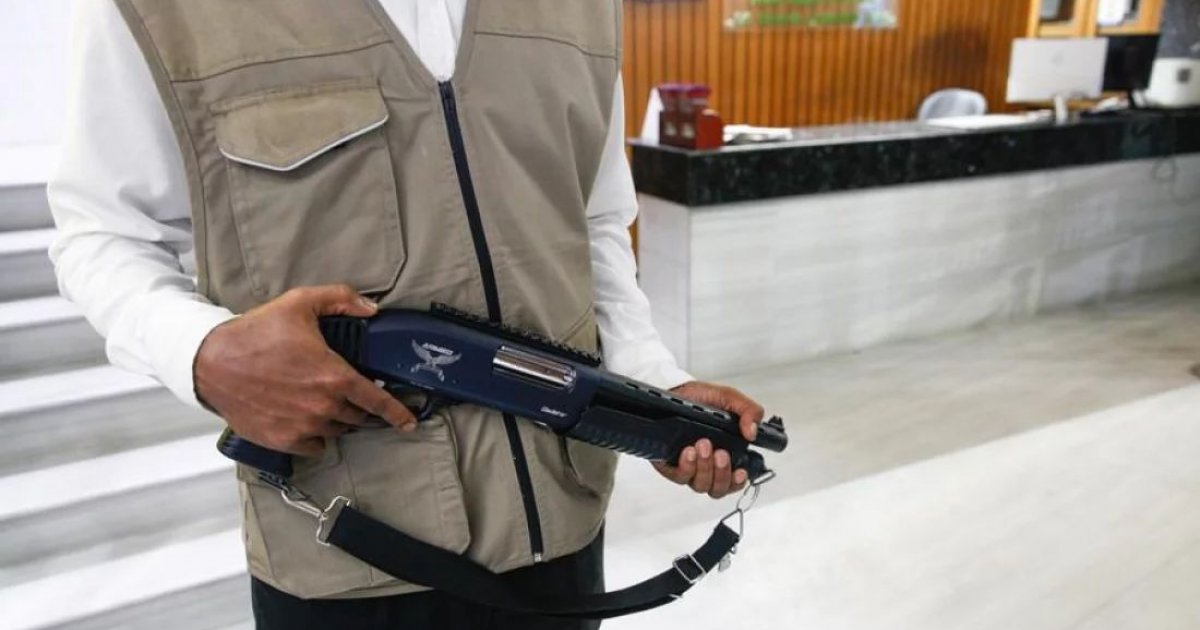
Political leaders and other high-risk individuals are increasingly seeking gunmen or firearms licenses from the Ministry of Home Affairs. Intelligence sources say the government has compiled a list of at-risk figures, with the Police Headquarters assigning protection to at least 20 individuals, including six leaders of the National Citizens Party (NCP). The state covers all costs of these gunmen.
Who is eligible?
Under existing policy, the state provides security to the president, prime minister, cabinet ministers, members of parliament, judges, senior officials (secretary rank or above), and armed forces chiefs.
Former inspector general of Police (IGP) Abdul Qayyum told Dhaka Tribune that general citizens can also apply for firearms and an armed bodyguard if facing credible threats.
“Post-election schedule announcement, law and order have worsened. Cases are reviewed individually, with final decisions made by the Home Ministry,” he said.
How to apply
Gunmen are also assigned to political leaders with verified threats, individuals receiving life-threatening calls or messages, key witnesses in high-profile cases, and intelligence-flagged high-risk figures.
A senior police official explained that the process begins with a written application to the local police or the home ministry detailing the threats faced. The application is reviewed by intelligence agencies, including the Special Branch (SB), which conduct risk assessments and background checks before making recommendations.
Once approved by the home ministry, gunmen are deployed from the Metropolitan Police Protection Unit or the Special Branch, equipped with government-issued firearms and bound by strict operational guidelines.
Where full-time armed protection is not granted or required, Ansar and VDP personnel can be engaged on a paid basis to bolster security for vulnerable individuals.
Bangladesh Jatiya Party chairman Barrister Andalib Rahman Partha confirmed his gunman assignment, saying: “He reports daily, does his duty, and leaves. The government is paying the bill for the gunman.”
Meanwhile, NCP senior joint convener Samanta Sharmin declined protection, despite her colleagues receiving it amid campaign tensions.
Do gunmen guarantee safety?
IGP Baharul Alam told Dhaka Tribune: “No country ensures 100% security via bodyguards alone,” citing Rajiv Gandhi’s assassination despite heavy protection.
Former IGP Abdul Qayyum called the government’s provision of gunmen a positive move but stressed that security cannot rely on bodyguards alone. He urged intelligence agencies—including SB, National Security Intelligence (NSI), Detective Branch (DB), and Criminal Investigation Department (CID)—to take threats and targeted killings seriously.
“Field-level intelligence must be strengthened. As long as threats persist, the public must assist the police by sharing information on suspects and criminals,” he said, adding that Border Guard Bangladesh (BGB) patrols should be intensified in border areas and surveillance at residential hotels tightened.
Dr Omar Faruk, professor of Criminology and Police Science at Mawlana Bhashani Science and Technology University, described gunmen as providing only “symbolic security” and called for stronger intelligence-driven operations, including joint-force drives like those during the 1/11 period and Operation Clean Heart.
He criticized intelligence agencies for appearing inactive and unprofessional, noting that the accused in Hadi’s murder was a minor criminal whose arrest should have been straightforward.
Current status
After a December 22 meeting of the cabinet committee on law and order, Home Adviser Lt Gen (retd) Jahangir Alam Chowdhury said gunmen have been assigned to 20 people deemed at security risk, including six NCP leaders.
Home Ministry sources added that at least 15 politicians have applied for security, gunmen, or firearms licenses, with the number rising, and around 25 government officials have applied for firearms licenses.
While state-assigned gunmen provide a measure of protection, experts warn that lasting security depends on proactive law enforcement, strengthened intelligence, and public cooperation.