

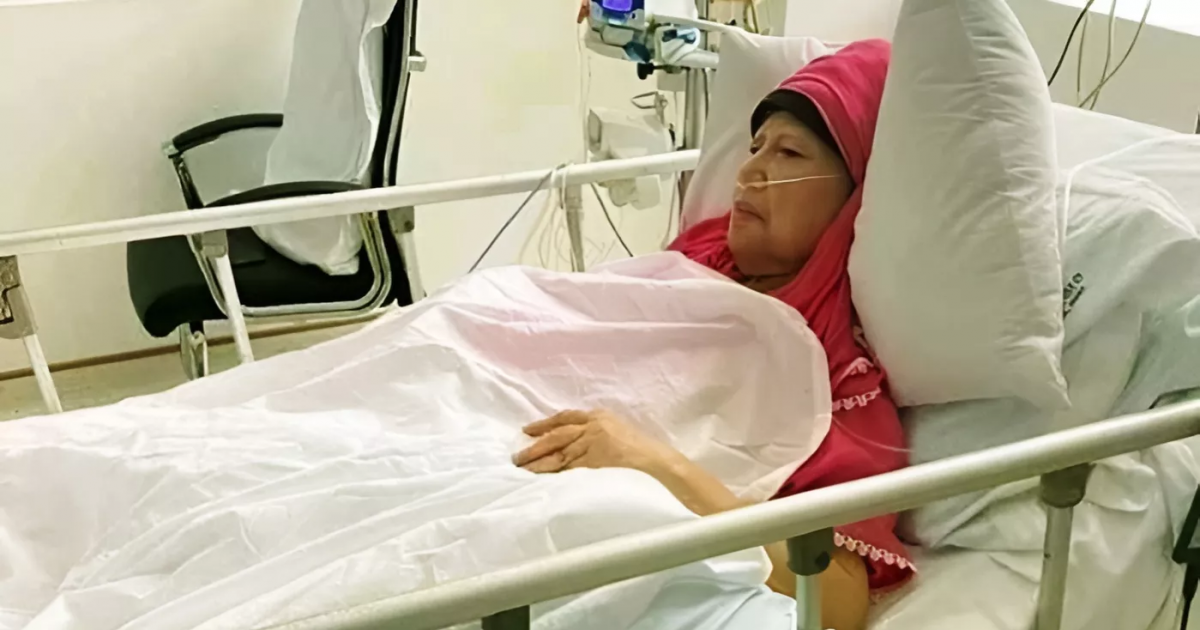
BNP Chairperson Khaleda Zia is in a complicated health condition. Her treatment is ongoing with the highest professionalism and caution.
Meanwhile, her kidney function has stopped, requiring regular dialysis.
Professor Dr. Shahabuddin Talukdar, speaking on behalf of the medical board overseeing Khaleda Zia’s treatment at Evercare Hospital in Dhaka, issued a statement with these details on Thursday.
The statement urged the public not to spread rumors about Khaleda Zia and said that recent tests and examinations have revealed several complications in her health. She is experiencing increased shortness of breath, reduced oxygen levels in the blood, and elevated carbon dioxide levels, and is being treated with a high-flow nasal cannula and a BiPAP machine.
As her condition showed no improvement, she was placed on elective ventilator support to allow rest for her lungs and other organs.
On November 27, she was diagnosed with acute pancreatitis, which is still under intensive treatment. Due to severe infection, she is receiving advanced antibiotic and antifungal therapy.
She is also receiving transfusions of blood and its components due to gastrointestinal bleeding and disseminated intravascular coagulation (DIC). Despite all treatments, her fever persists, and as some issues were observed in her aortic valve during regular echocardiography, a transesophageal echocardiogram (TEE) was performed, which revealed infective endocarditis. The medical board immediately began treatment for this condition following standard guidelines, in consultation with domestic and international specialists.
The board further stated that it consists of domestic and international multidisciplinary expert doctors who are closely monitoring and treating Khaleda Zia’s condition daily. The public was requested not to circulate speculative or inaccurate information.
Khaleda Zia has long suffered from multiple complex and chronic health problems, including liver and kidney complications, heart disease, high blood pressure, diabetes, arthritis, and infection-related issues, all of which she has been receiving long-term treatment for. Due to a deterioration in her condition, she was admitted to Evercare Hospital on November 23.