

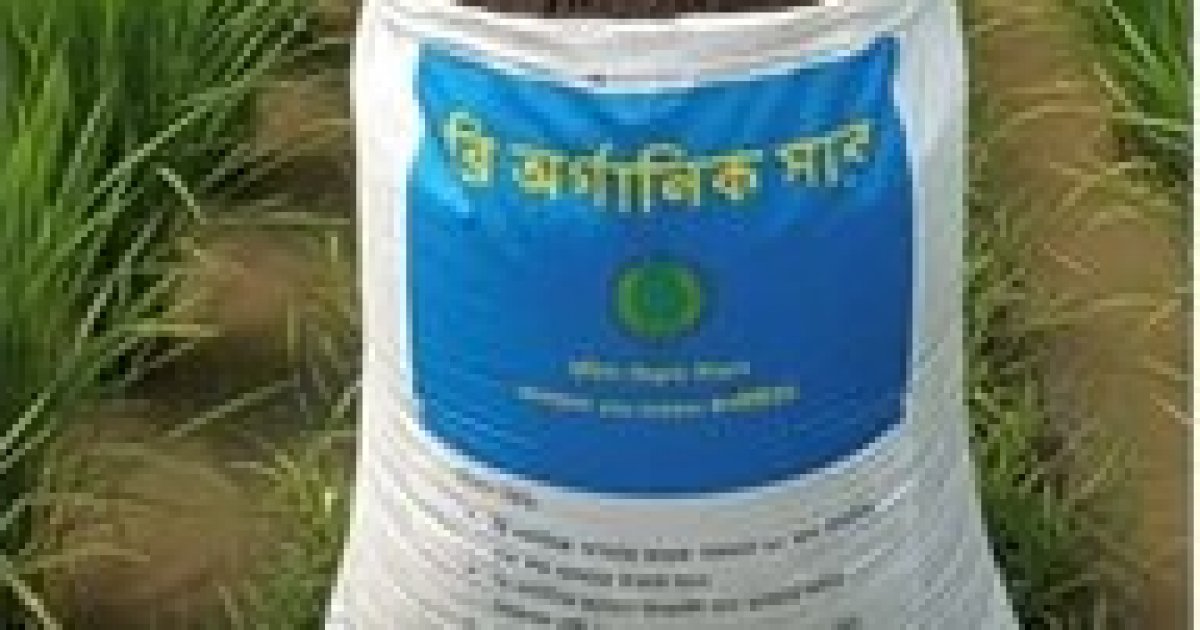
The use of an organic fertiliser, developed by Bangladesh Rice Research Institute, could play a significant role in revitalising the country’s agriculture by reducing urea usage by up to 30% and eliminating the need for separate application of triple super phosphate.
The organic fertiliser improves soil carbon, organic matter, and beneficial microorganisms, and increases rice yield by 10-20%. The use of organic fertiliser could also lower production costs and ensure sustainable agriculture.
These issues were highlighted at a two-day international conference titled Regenerative Agriculture for Sustainable Food Security held at Bangabandhu Sheikh Mujibur Rahman Agricultural University in Gazipur recently.
Experts at the conference emphasised the global context of regenerative agriculture, soil health restoration, and the importance of integrated efforts to ensure food security. In this context, reducing urea use, restoring soil health, lowering agricultural subsidies, and improving farm profitability were identified as key benefits of organic fertiliser.
According to BRRI sources, organic fertiliser is highly beneficial for both soil and farmers. Its use can reduce urea application in rice fields by about 30% and eliminate the need for TSP fertiliser. By directly increasing soil carbon and organic matter, it enhances soil fertility and health. The organic fertiliser contains beneficial bacteria that stimulate biological activity in the soil.
The fertiliser releases nutrients gradually over time, which is advantageous for crop growth. It improves soil structure, water-holding capacity, and microbial populations, making soils healthier and more resilient. In addition to nitrogen, phosphorus, and potassium, it contains micronutrients and organic bio-stimulants.
By binding soil particles, it improves soil texture and helps reduce soil acidity. Enhanced water retention reduces irrigation needs and supports crops during dry periods. Beyond nutrient supply, organic fertiliser is considered a key component of integrated nutrient management. Its use can also significantly reduce greenhouse gas emissions, benefiting farmers.
BRRI Director (Research) Dr. Rafiqul Islam said that the largest share of agricultural subsidies is spent on fertiliser production and imports, with nearly 50% of urea being imported from abroad. “If we can save 30% of urea through the use of organic fertiliser, a substantial amount of the agricultural budget can be saved. Both the country and farmers will benefit,” he said.
He added that the organic fertiliser is environmentally friendly and can help reduce waste by converting biodegradable household waste into valuable agricultural inputs.
Excessive wastage of urea has long been a major problem in Bangladesh’s agriculture. A large portion of applied urea is lost through volatilisation, leaching into groundwater causing water pollution, and emissions as greenhouse gases, posing serious threat to the environment.
Dr. Rafiqul Islam explained that organic fertiliser is a specialised bio-organic fertiliser developed in laboratories. Its production at the farmer level faces limitations, as ensuring the correct microbial composition requires expert supervision and laboratory facilities. Unlike traditional compost, this fertiliser requires specific steps, materials, and controlled conditions that are generally beyond the capacity of individual farmers.
In June, he said, BRRI invited tenders to select suitable institutions for commercial production. Two companies expressed interest, and a five-member expert committee evaluated their technical capacity. Following the selection process, a commercial production agreement with ACI is currently underway. Once completed, organic fertiliser is expected to be available in the market very soon, the expert added.