

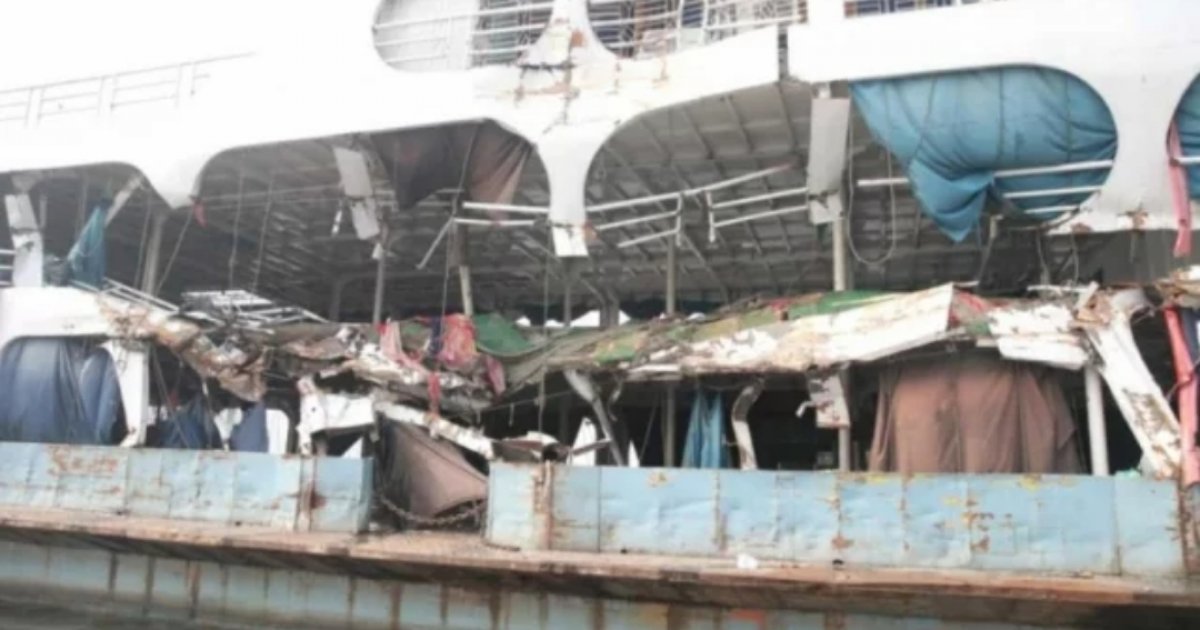
The tragic collision of two passenger launches on the Meghna River, which left at least four people dead and several others injured, is a chilling reminder of how dangerous travel can become during the winter months.
Dense fog severely reduces visibility on rivers and roads, turning routine journeys into hazards with devastating consequences.
Winter brings thick fog that blankets rivers, highways, and airways, disrupting transport services and straining the safety of travellers across the country. The Bangladesh Meteorological Department has already warned that moderate to dense fog may continue to affect inland river, air, and road transport, especially in the early mornings and evenings.
These recent accidents underscore a harsh truth: Our transportation systems are not yet fully prepared for the seasonal risks that confront millions of people every day. Launch collisions, road pileups, and ferry delays during winter are not isolated events — they are predictable outcomes of poor visibility aggravated by insufficient safety measures and lax enforcement.
What is urgently needed are clear protocols that prioritize safety over schedules. River authorities must be authorized to delay or cancel launch operations during dense fog, enforce strict speed limits, and ensure vessels are equipped with appropriate navigational aid. Training for captains and crews should be mandatory, and communication systems must be durable enough to work even in poor weather conditions.
Likewise, road and highway departments must be mandated to coordinate with meteorological services in order to issue timely warnings, and manage traffic flow safely on foggy days.
Public awareness campaigns about seasonal travel risks would also help passengers make informed choices, especially as the season also witnesses more frequent travel plans.
With better planning, firmer enforcement, and a culture that values human life over timetables, we can ensure that seasonal fog becomes merely a challenge, not a tragedy.