
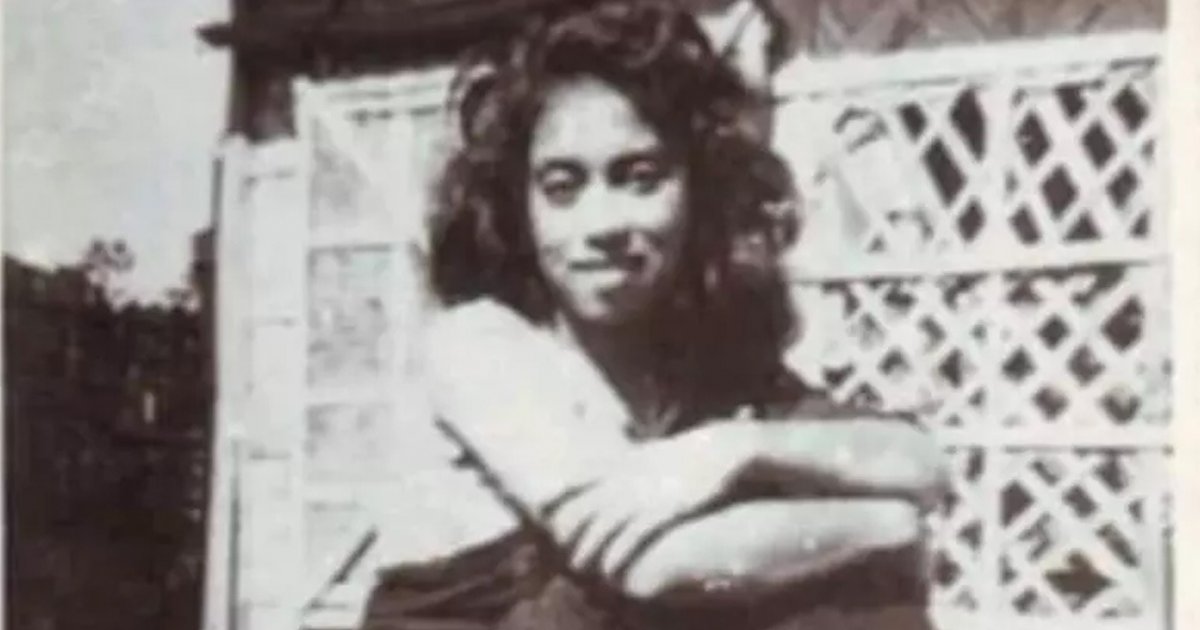
On the morning of December 13, 1971, as Dhaka remained under curfew and the Liberation War neared its final hour, journalist Selina Parveen climbed onto the rooftop of her Siddheswari home.
Oil in one hand for her young son Sumon, and a pen in the other, she continued writing – an act she had sustained throughout the war despite mounting danger.
That quiet routine ended abruptly when a microbus and a lorry stopped outside the house.
Masked men forced open the gate, stormed inside, and demanded her name.
She offered it without hesitation.
Before being taken away, she told her eight-year-old son softly: “Eat with your uncle, Sumon. I’ll be right back.”
She never returned.
Later, one of the few survivors detained alongside her, Delwar Hossain, recounted hearing a woman’s scream – cut short by a bayonet.
On December 18, four days after Bangladesh’s victory, Selina’s body was found in a mass grave at Rayerbazar, bearing bayonet wounds to the eye and stomach.
Born Manwara Begum on March 31, 1931 in Noakhali’s Kalyannagar village, Selina grew up in a household that valued books and music.
Married off at 12 and separated by 17, she challenged the stigma that followed, working as a teacher, in orphanages, and later at a women’s dormitory at Dhaka University.
Her formal education was limited, but she pursued literature with determination, guided by mentor Uma Devi.
In 1962 she married political worker Muhammad Jahangir, and by 1966 she had entered journalism, joining Weekly Begum as secretary to Begum Nur Jahan.
She later worked at Lalana, contributing reporting, editing and fundraising, while her byline also appeared in leading newspapers including Purbadesh, Azad, Sangbad, Daily Pakistan and Ittefaq – remarkable visibility for a woman journalist in East Pakistan.
Her most defining step came in 1969 when she founded Weekly Shilalipi, a publication that championed Bengali nationalism and carried the works of writers such as Shamsur Rahman and Sikander Abu Jafar.
Under surveillance by the Pakistani regime, Selina refused to apologize after Shilalipi published poems supporting the liberation struggle.
The paper was blacklisted; her name was noted by the Al-Badr death squads.
During the 1971 war, Selina chose to remain in Dhaka when many fled.
Her home became a refuge for freedom fighters seeking food, medicine and shelter.
She took part in protests, joined intellectual circles and was active during the 1969 Mass Uprising, often with her son beside her.
Friendships with figures such as Professor Munir Chowdhury and journalist Shahidullah Kaiser strengthened her commitment to a secular and democratic Bangladesh.
Her activism also made her a target.
In the final days of the war, as the Pakistani forces faced defeat, Al-Badr units launched a coordinated attack on the country’s intellectuals.
Selina was among the first abducted that morning of December 13.
She was buried on December 18 at Azimpur Graveyard, mourned by her mother, brother and son.
As Bangladesh observes Martyred Intellectuals Day 2025, Selina Parveen’s life stands as a reminder that the struggle for freedom was waged not only on the battlefield but also through the written word.
Her legacy endures as that of a journalist who refused silence, even when the cost was her life.