

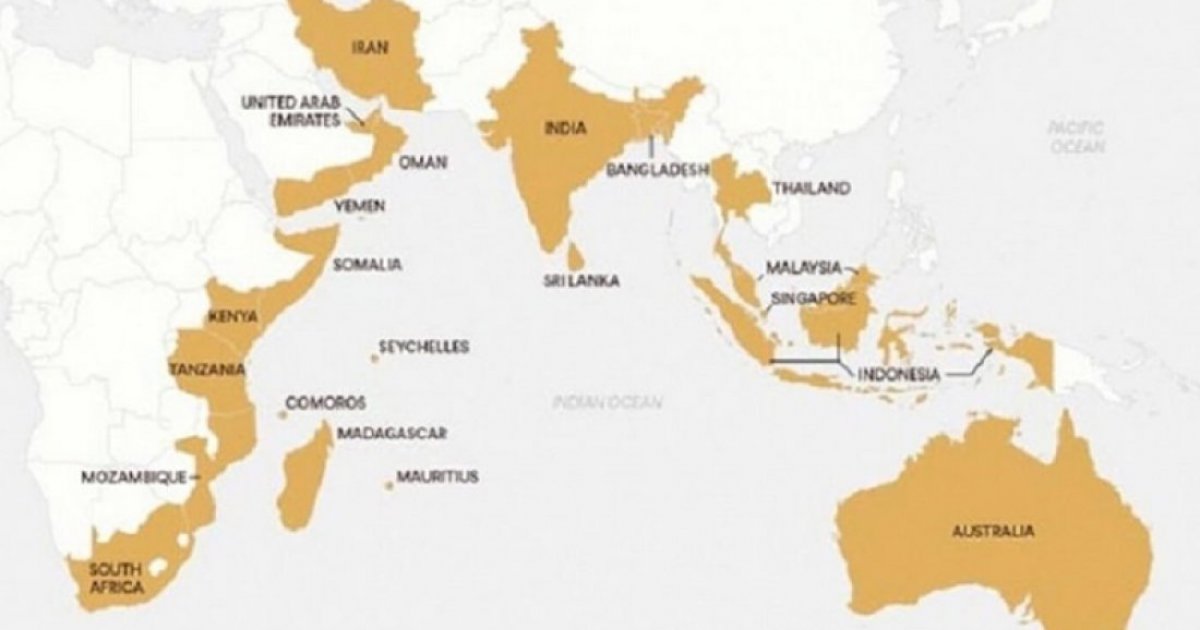
The United States’ newly released National Security Strategy 2025, which outlines a stronger military and strategic posture in the Indo-Pacific, could have significant implications for Bangladesh and South Asia as geopolitical competition in the region intensifies.
The strategy places renewed emphasis on expanding US military power in the Indo-Pacific, particularly around the Taiwan-centred “First Island Chain”, while urging allied countries to increase defence spending and provide greater access to ports and logistical facilities.
Although Bangladesh is not mentioned directly, analysts say the document signals a shifting regional environment that could influence Dhaka’s economic, diplomatic and security calculations.
Washington argues that earlier efforts to keep the Indo-Pacific “free and open” coincided with economic harm to the United States.
The new approach seeks to protect US economic and strategic interests while deterring Chinese influence, especially in maritime Asia.
This has implications for countries like Bangladesh, which maintains close economic ties with China while also seeking deeper engagement with Western partners.
The strategy highlights the growing importance of allied participation in maintaining regional security.
Ports, supply chains and maritime access are identified as critical assets.
As a strategically located Bay of Bengal country, Bangladesh could face increased diplomatic attention from major powers seeking to secure trade routes, logistics hubs and regional partnerships.
The document also underscores the importance of India as Washington’s principal strategic partner in South Asia.
Enhanced US–India cooperation, covering defence, technology and supply chains, is expected to strengthen India’s role in Indo-Pacific security.
Analysts say this could alter regional power balances, with ripple effects for neighbouring countries, including Bangladesh.
While the European Union has separately identified Bangladesh as a “key partner” in the broader Indo-Pacific, the US strategy encourages Asian nations to strengthen border security and increase military spending to prevent long-term conflicts.
For Bangladesh, which has traditionally pursued a balanced foreign policy, this could create pressure to navigate competing strategic interests more carefully.
Economically, the US strategy aims to rebalance global trade by encouraging major economies to reduce reliance on China and push Beijing toward domestic consumption.
This shift could affect Bangladesh’s export markets, supply chains and investment flows, particularly given its dependence on Chinese infrastructure financing and raw material imports.
The strategy also stresses preventing military conflict in Asia by maintaining conventional military balance.
The First Island Chain, stretching from Japan and Taiwan through the Philippines to Indonesia, is described as vital to limiting Chinese naval expansion.
Increased military activity in surrounding waters could heighten tensions across the wider Indo-Pacific, including the Indian Ocean region adjacent to Bangladesh.
Washington has made clear it cannot pursue this strategy alone and expects greater contributions from partners and allies.
For Bangladesh, this evolving landscape presents both challenges and opportunities: balancing relations with China and the West, safeguarding economic interests, and maintaining regional stability without becoming entangled in major power rivalry.
As the Indo-Pacific becomes the centre of global strategic competition, Bangladesh’s diplomatic agility and economic resilience are likely to be tested in the years ahead.