

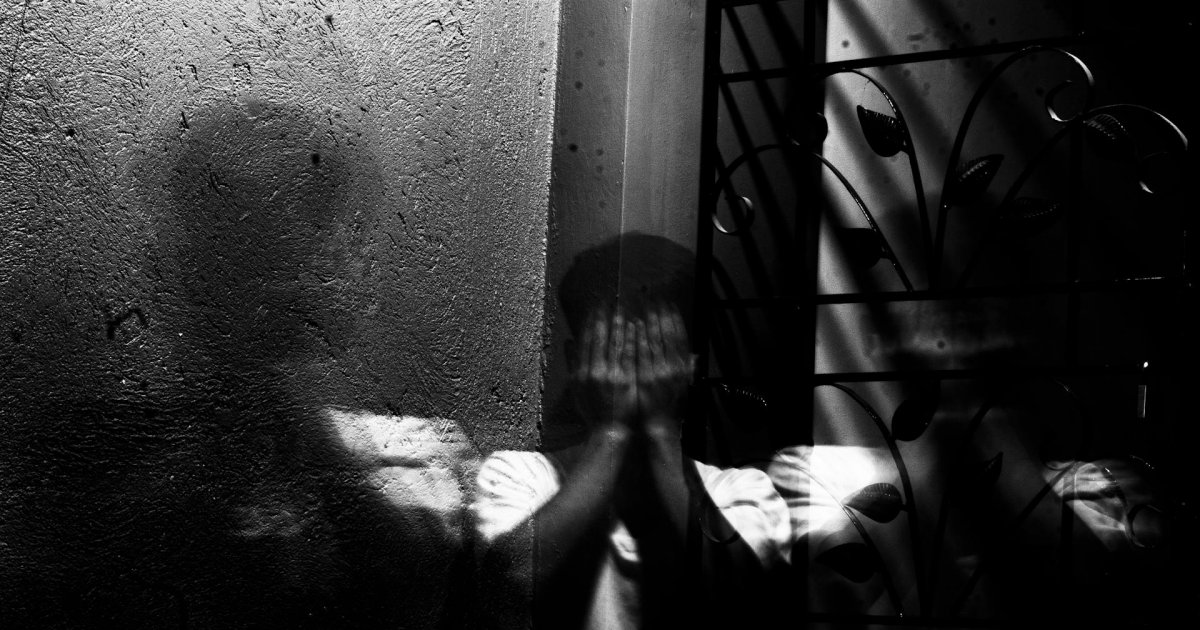
The revelation that an average of 40 people take their own lives every day in Bangladesh is a stark and disturbing reminder of a deeper social crisis that warrants more attention. According to police and health data presented at a recent event, this daily suicide toll persists with little public awareness, with the highest numbers recorded in Jessore.
In a country brimming with youthful energy and community strength, for so many to see suicide as the only escape signals systemic failure to address mental health, social pressure, economic hardship, and isolation — prevalent issues that are often trivialized or deemed unspeakable.
For far too long, mental health has been sidelined to the margins of public policy in Bangladesh. People in distress are often left to struggle alone, with little exposure or support, while existing services remain limited and financially inaccessible for the majority. That self-harm is still treated as an “offense” by law only exacerbates the stigma, discouraging open conversation and timely help.
This should be a wake-up call — for policy-makers, health professionals, educators, and communities alike. Suicide prevention cannot be the responsibility of one ministry or institution; it demands a comprehensive, coordinated strategy that brings together health care, education, social services, and community support networks.
Education campaigns, counselling services, crisis hotlines, and training for frontline responders should no longer be seen as optional, but rather essential life-saving measures for a better functioning society. At the same time, legal reform to decriminalize suicide attempts would encourage those contemplating such extreme measures to come forward without fear.
Behind these numbers lie stories of helplessness and despair, and Bangladesh must act with urgency and compassion to reduce this tragic toll — not with mere headlines, but with consistent, meaningful support to restore hope where it has been lost.