

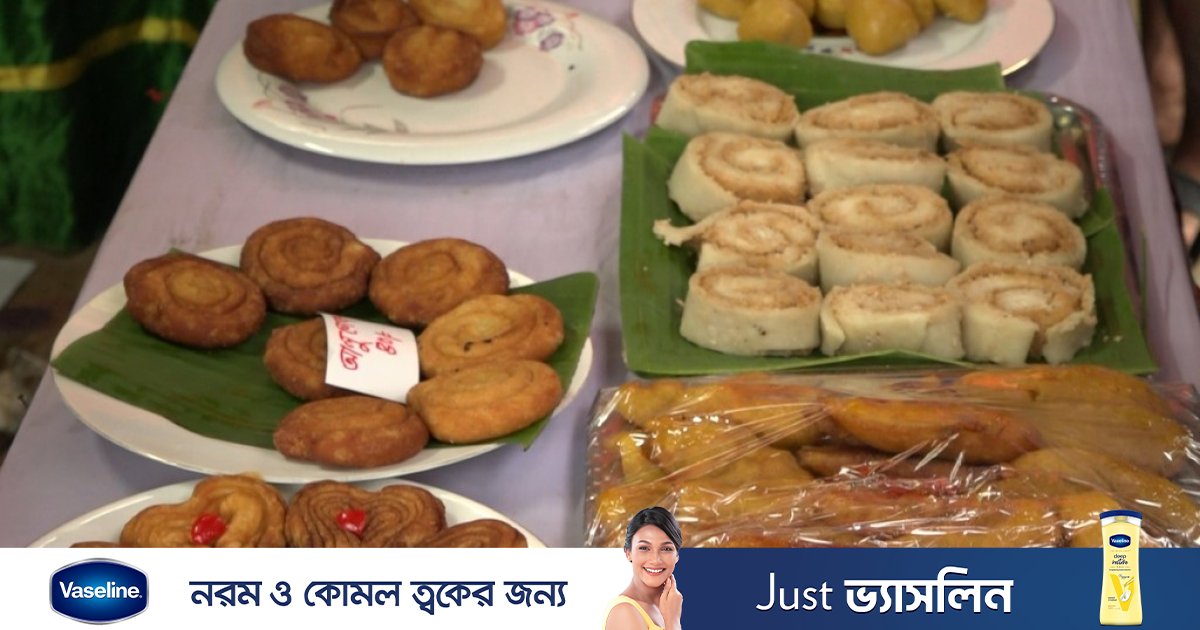
In Bangladesh, winter doesn’t really arrive with numbers on a weather app. It shows up in quieter ways — when rice flour is soaking in the kitchen, when someone mentions khejur gur, when pitha becomes a topic of conversation again. Without pitha, winter feels… unfinished.
Pitha is not just food. It’s a seasonal habit. Once winter sets in, kitchens slow down a little. Measurements become approximate, recipes become memories.
Someone always corrects someone else, and somehow the pitha still turns out fine. That part never changes.
What ties pitha so closely to winter is how dependent it is on the season itself. Fresh date palm jaggery, rice, cool evenings—these are not things you can fully recreate at any other time of year. Yes, pitha can be made anytime, but it only belongs to winter.
There’s also something deeply social about it. Pitha is rarely made for one person. It gathers people around the stove. Mothers, aunts, neighbours, each doing something small but necessary. The food takes time, and so do the conversations.
Winter mornings with leftover pitha, slightly reheated and eaten with tea or milk, have a comfort that’s hard to explain. Even street-side pitha in the city carries a trace of nostalgia. It reminds people of courtyards, villages, and winters that felt colder than they probably were.
The season passes quickly. The cold fades, khejur gur disappears, and kitchens return to their usual rhythm.
That’s why pitha matters. It marks winter while it lasts. Without it, the season doesn’t feel complete.